


Product Description
The ARO Slow Feeder™ is a compact, rechargeable coffee bean feeder engineered to control the rate at which beans enter the burrs of your grinder. A variable-speed motor and controlled spiral feed system work together to gradually meter whole roasted coffee beans into the grinder, instead of dumping the full dose into the burr chamber all at once.
The patent-pending ARO Slow Feeder™ is designed to keep your grinder under a lighter, steadier load for a smoother and more consistent grinding process. By introducing beans more gradually, the Slow Feeder tightens particle-size distribution, reduces fines and boulders, improves espresso puck uniformity, and produces cleaner filter brews with greater clarity.
This rechargeable version adds USB-C charging, an internal rechargeable battery, automatic jam recovery, a built-in LED status light, and 5-minute auto shutoff if left running. Rare-earth magnets and stainless steel alignment pins make assembly precise and repeatable, while the modular grinder adapter system allows compatibility across a wide range of grinder models.
Key Features
- Patent-Pending Design: The ARO Slow Feeder™ is the subject of pending utility and design patent applications covering functional and ornamental aspects of the product, including the overall device, bean-feeding architecture, and product design.
- USB-C Rechargeable Battery: Powered by a long-lasting internal lithium-ion battery, it provides approximately 6 to 8 hours of total motor runtime, or roughly 2 to 3 months of typical home use. Recharge conveniently with any standard 5V USB-C power source.
- Variable-Speed Feed Control: Precisely control the rate at which beans enter the burrs. Maintain consistent burr loading throughout the entire grind to reduce particle-size variation, heat, and load on your grinder. Set your preferred speed once, then use the power button to start and stop each feed cycle.
- Auto-Reverse Jam Recovery: The Slow Feeder monitors resistance in the feed mechanism. If resistance is detected, the LED flashes 3 times and the spiral feed plate briefly reverses before resuming forward feeding. This clears potential jams while reducing unnecessary strain on the motor.
- LED Status Indicator: The built-in LED gives quick, easy-to-read feedback for power, charging, full charge, low battery, auto-reverse jam recovery, and battery protection status, so you always know exactly what the feeder is doing.
- 5-Minute Auto Shutoff: If left running, the feeder automatically powers off after 5 minutes to preserve battery life and keep your workflow worry-free.
- RDT Compatible: Works with the Ross Droplet Technique, allowing lightly misted beans to move smoothly through the feed path without sticking to the feed plate or getting trapped in the feeding mechanism.
- Ultra-Compact Design: Engineered to fit in the palm of your hand, the Slow Feeder adds controlled electric feeding without the bulk. Its compact, removable design makes it quick and easy to move from grinder to scale, back to grinder, or between compatible grinders.
- Magnetic Alignment System: Neodymium magnets and stainless steel pins ensure precise, repeatable alignment and a secure fit. Detach the Slow Feeder for dosing, cleaning, or quick-swapping between compatible grinder adapters.
- Dose Directly on a Scale: Remove the complete feeder from the grinder adapter and place it directly on your scale to weigh beans into the hopper. Once loaded, snap it back onto the adapter using the magnetic alignment system for a clean, repeatable workflow with no separate dosing cup required.
- Low-Profile Cap and Silicone Bellows Included: Cap the hopper to keep out dust and debris, or use the included silicone bellows after grinding to purge retained grounds from the grinder for a cleaner, more consistent workflow.
- Doubles as a Single-Dose Hopper: Remove the feeding mechanism and connect the hopper directly to the adapter to bypass slow feeding when desired. This allows the full dose to feed directly into the grinder like a traditional single-dose hopper.
Why Slow Feeding Matters
Slow feeding is the process of introducing coffee beans into the grinder gradually rather than dumping them in all at once. By controlling the feed rate, the grinder operates under a lighter, steadier load, allowing the burrs to cut each bean cleanly rather than crush it. This results in a more uniform particle size distribution, fewer fines, and less static buildup. The reduced friction also lowers heat generation, which helps preserve the coffee’s natural aromatics and oils. Slow feeding makes the grinder run more smoothly and quietly while extending the life of the burrs and motor.
These improvements enhance coffee quality across both espresso and filter brewing. When grounds are uniform, water flows more evenly through the espresso puck, reducing channeling and uneven extraction. The result is a balanced shot with greater clarity, sweetness, and consistency. Because slow feeding creates a coarser grind profile with fewer fines, you may find you need to set your grind setting finer to reach the same extraction time.
In filter methods, fewer fines means water can pass through at a steady rate without clogging the filter, producing a cleaner brew with less bitterness and sediment. Studies and professional testing have shown that slow feeding can increase extraction yield and improve flavor balance. Even a modest increase in extraction efficiency translates into more flavor and complexity in the cup.
For home and professional baristas alike, slow feeding increases grinder efficiency without the need to change any parts of the grinder itself. It's a simple upgrade that delivers immediate benefits and enhances richness in espresso and clarity in filter coffee. In short, slow feeding transforms a good grinder into a high-performance machine, producing cleaner, more even grounds and a smoother, more consistent cup no matter how you brew.
The ARO Slow Feeder™ improves your grinder workflow without modifying the grinder itself. It is a simple, removable, patent-pending upgrade designed for better control, cleaner dosing, and more repeatable results.
Adapter Installation Instructions
Each grinder adapter is designed for a specific grinder inlet. Adapter shape and size vary by grinder, but most adapters install using one of two methods:
- Stock Hopper Replacement: The adapter installs in place of the grinder’s original hopper and secures using the same locking or retention method.
- Existing Hopper Connection: The adapter fits onto or into the grinder’s existing hopper. Many adapters use an internal or external O-ring to create a secure friction fit. On some grinders, the adapter replaces the original cap or bellows.
General Adapter Installation
- Turn Off and Unplug the Grinder: Remove the grinder’s original hopper, dosing cup, cap, or bellows according to the grinder manufacturer’s instructions.
- Clean the Grinder Inlet: Remove old beans and loose grounds using a soft brush or vacuum.
- Install the Adapter: Insert or attach the grinder-specific Slow Feeder adapter. Press, lock, or fasten it into place according to the grinder and adapter design. If the adapter uses an O-ring, apply firm, even pressure until it is fully seated.
- Attach the Slow Feeder: Align the Slow Feeder with the adapter. The magnets and alignment pins will guide it into position.
Daily Operation and Workflow
After fully charging the Slow Feeder and installing the grinder-specific adapter, follow this workflow for daily use.
- Dose Your Beans: Remove the Slow Feeder from the adapter, place it on a scale, and weigh beans directly into the hopper. The complete unit doubles as a dosing cup. RDT may be used if desired.
- Attach the Slow Feeder: Align the Slow Feeder with the adapter. The magnets and alignment pins will guide it into position.
- Set the Feed Speed: Start near the middle setting, then adjust for your grinder, roast, dose, and preferred feed rate. The knob can also be adjusted while the unit is running.
- Start Grinding: Turn on the grinder first, then press the Slow Feeder power button. The LED remains solid while the spiral feed plate meters beans into the grinder.
- Complete the Feed Cycle: Allow all beans to pass through the feed mechanism. If your grinder uses a timed cycle, set it to run long enough for the selected dose and speed.
- Purge Retention: After feeding is complete, firmly compress the entire silicone bellows with your palm while the grinder is running.
- Power Off: Press the power button to stop the Slow Feeder. If left running, the unit automatically shuts off after 5 minutes.
Controls and LED Status
- Power Button: Press once to start. Press again to stop.
- Speed Knob: Turn the knob to adjust the feed rate. Use the 5 marked settings as reference points or fine-tune between them.
- USB-C Port: Use for charging with a standard 5V USB-C power source. The Slow Feeder will not operate while plugged in.
| LED Behavior | Meaning |
|---|---|
| Solid on | Powered on and running normally |
| Breathing or pulsing | Charging |
| Off while plugged in | Charging complete, battery fully charged |
| 1 flash every 3 seconds | Low battery, recharge soon |
| 5 flashes, then power off | Battery too low to operate, recharge before use |
| 3 quick flashes | Jam detected, auto-reverse activated |
Tips for Best Results
Choosing a Feed Speed
Adjust the feed rate to match how quickly your grinder processes the beans. Listen for the grinding sound to soften briefly between groups of beans, which indicates the grinder is keeping pace without beans backing up above the burrs. Experiment with different speeds to find the best balance of feed rate, grind time, and extraction.
Adjusting the Grind Setting
Slow feeding produces a tighter particle-size distribution with fewer fines and boulders. Since fewer fines allow water to flow more freely, espresso shots and filter brews will generally run faster at the same grinder setting. Grind finer to restore your desired shot time or brew time.
RDT Compatible
The Slow Feeder is compatible with lightly misted beans. For best results, mist and shake beans in a separate dosing cup before loading them into the hopper. Moist beans may require a higher feed-speed setting. Too much moisture may cause beans to cling to the hopper walls (similarly to how they will cling to your dosing cup).
Doubles as a Dosing Cup
Remove the Slow Feeder from the grinder adapter and place it directly on a scale to weigh your dose into the hopper. Reattach it using the magnetic alignment system. Hopper capacity is approximately 45 to 50 grams, depending on bean size and roast level.
Using the Bellows
After all beans have passed through the feed mechanism and finished grinding, use your palm to firmly compress the silicone bellows 3 to 5 times while the grinder is running to help purge retained grounds.
Compatibility
The ARO Slow Feeder™ is designed to work with a variety of grinder models through its modular magnetic adapter system. Each order includes one adapter of your choice for a precise, secure fit.
Additional adapters are sold separately here.
Currently, adapters are available for the following grinders:
- Acaia Orbit
- Baratza Encore / Encore ESP
- Baratza Encore ESP Pro
- Baratza Forte / Forte BG / Forte AP
- Baratza Vario / Vario+ / Vario W+
- Baratza Virtuoso / Virtuoso+
- Baratza Sette 30 / Sette 270 / Sette 270Wi
- Beanglass T64
- Breville / Sage Barista Express
- Breville / Sage Barista Express Impress
- Breville / Sage Barista Pro
- Breville / Sage Barista Touch
- Breville / Sage Barista Touch Impress
- Breville / Sage Oracle
- Breville / Sage Oracle Dual Boiler
- Breville / Sage Oracle Jet
- Breville / Sage Oracle Touch
- Breville / Sage Smart Grinder Pro
- Ceado E37S, E37T, E37J, E37SL
- Ceado E5SD
- CF64V
- DF54
- DF64 (Gen 1 and 2)
- DF64E
- DF64P
- DF64V
- DF83
- DF83V
- Eureka MCI
- Eureka Mignon
- Fellow Ode (Gen 1 and 2)
- Fellow Opus
- Femobook A3 / A4 / A5
- Femobook A68
- Fiorenzato AllGround Sense
- Geimori GU63
- Gevi GrindMaster / VelPro 400
- ITOP CGFL250 / AVX J64V
- KafaTek Monolith (Max, Conical, MV98, SDRM)
- Niche Zero
- MACAP M4D
- Mahlkönig EK43 / EK43 S
- Mahlkönig X64 SD
- Mazzer Philos
- Mazzer Mini
- Mazzer Super Jolly
- MHW-3BOMBER F74
- MOKKOM Professional 64mm
- Olympia Express Moca SD
- Option-O Lagom Casa
- Option-O Lagom Mini
- Option-O Lagom P64
- Option-O Lagom P80
- Option-O Lagom P100
- Quamar Q50E / Q50S / Q50EM
- SHARDOR Professional 64mm
- Starseeker E55 / E55Pro
- Timemore Sculptor 064 / 064s
- Timemore Sculptor 078 / 078s
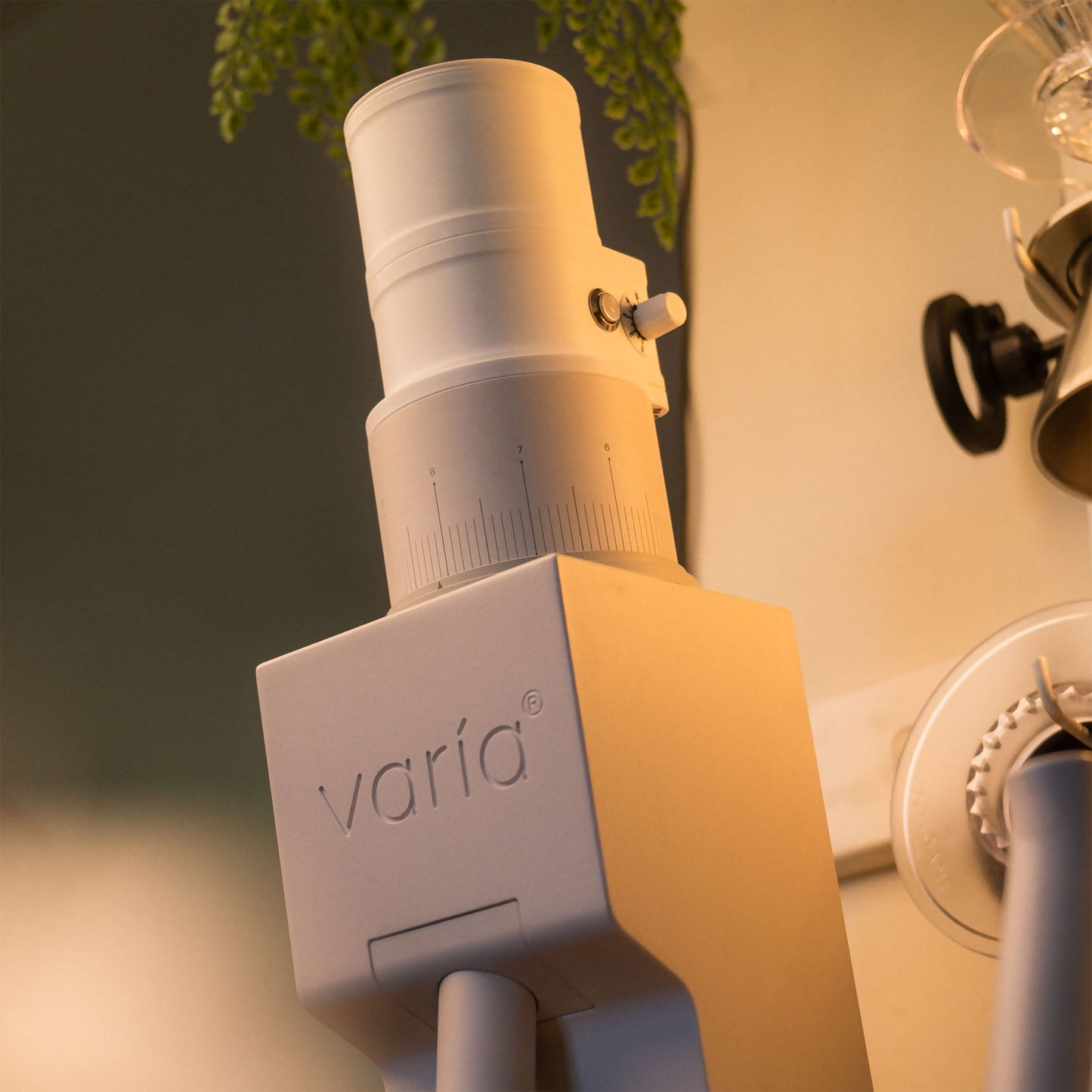
- Varia VS6
- Varia VS3
- Weber EG-1
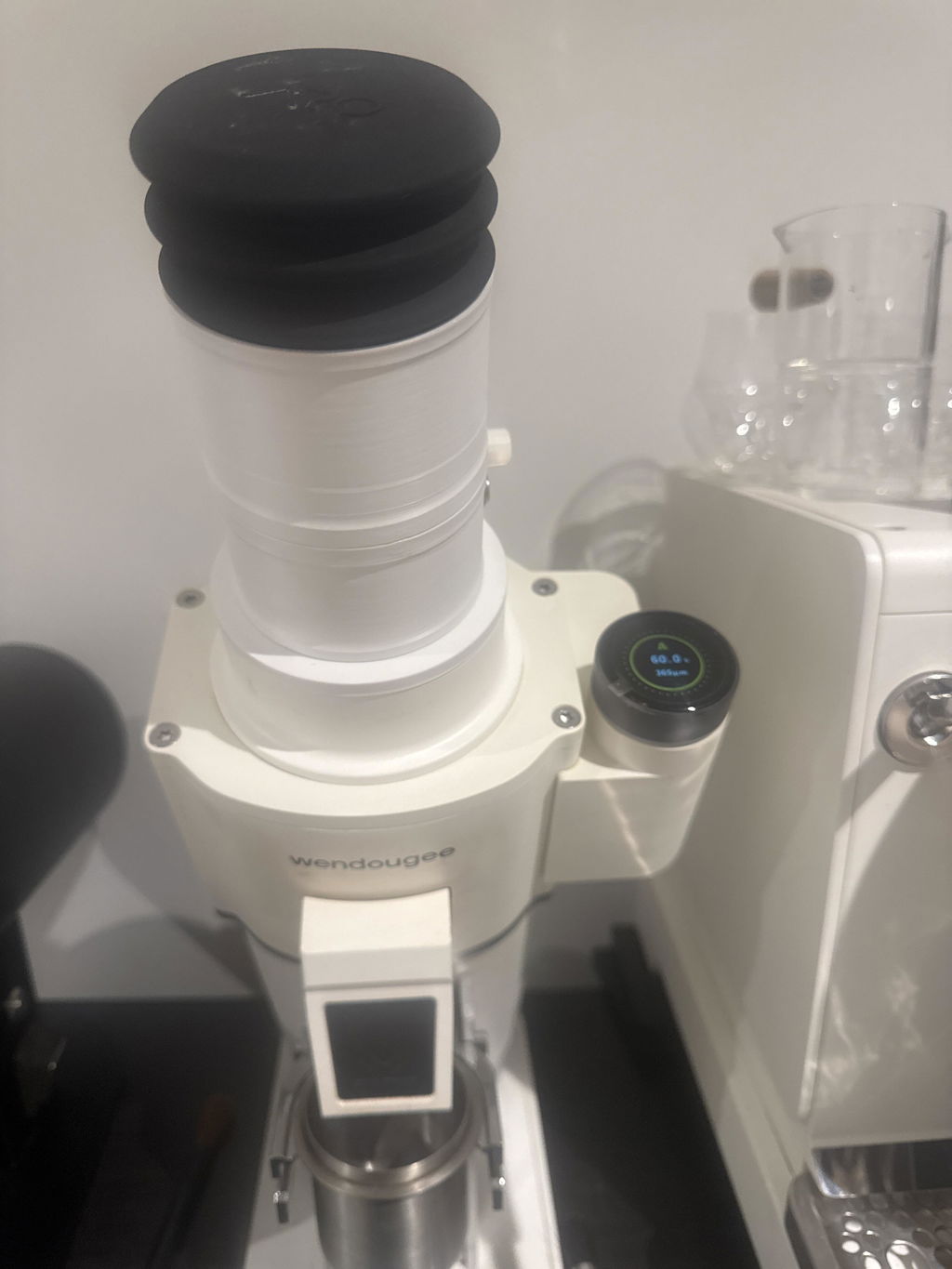
- Wendougee Milo Play
- WPM ZP1
- Zerno Z1 / Z2
If your grinder isn’t listed, please reach out. We’re looking for users willing to share their grinder inlet measurements and collaborate with us on adapter development. Participants will receive a discounted ARO Slow Feeder as a thanks for their help!
What's in the Box?
- ARO Slow Feeder™
- Grinder-specific adapter selected at checkout
- Low-profile hopper cap
- Silicone bellows
- Printed quick-start guide
Care and Maintenance
Regular cleaning prevents coffee oils, dust, and grounds from building up around the feed mechanism. Turn off the Slow Feeder and remove it from the grinder before cleaning.
Routine Cleaning: Separate the hopper and electronics housing, then brush or wipe away loose coffee dust and grounds from the hopper, spiral feed plate, adapter, magnets, and alignment pins. Keep the magnetic attachment surfaces clean so the hopper and adapter align properly and sit flush.
Hand-Washable Parts: The hopper, cap, grinder adapter, and silicone bellows can be hand washed with lukewarm water and mild dish soap. Rinse thoroughly and dry all parts completely before reassembly.
Cleaning the Electronics Housing: The electronics housing contains the motor, battery, controls, and electronics and is not waterproof. Wipe the exterior only with a dry or slightly damp cloth. Keep water away from the USB-C port, controls, motor area, housing openings, and the area beneath the feed plate. Do not rinse, soak, or submerge the housing.
CAUTION: Do not place any components in the dishwasher. Avoid abrasive cleaners, solvents, and harsh chemicals.
Technical Specifications
View the full ARO Slow Feeder™ product manual here.
| Specification | Value |
|---|---|
| Battery | Internal rechargeable lithium-ion, 1100mAh |
| Charging input | USB-C, 5V DC, 500mA |
| Typical full charge time | Approximately 2.5 to 3 hours from fully depleted |
| Estimated total motor runtime | Approximately 6 to 8 hours per full charge, or roughly 2 to 3 months of daily use |
| Hopper capacity | Approximately 45 to 50 g, depending on bean size and roast level |
| Feed rate | 20 grams in 30 to 120 seconds; 0.17 to 0.67 grams per second |
| Weight, no adapter | 200 grams |
| Dimensions, no adapter | 74 mm length × 74 mm width × 99 mm high, or 130 mm high with bellows installed |
| Auto-shutoff duration | 5 minutes |
| Materials | Hopper, feed plate, electronics housing, and cap are made from additively manufactured PLA polymer |
Patent Pending Notice
Patent Pending. The ARO Slow Feeder™, including the overall device, product design, feeding system, controlled bean-feeding architecture, and related functional and ornamental design features, is the subject of pending utility and design patent applications filed by ARO Espresso.
ARO Slow Feeder™ and ARO Espresso® are marks of ARO Espresso / Secinaro LLC. All rights reserved.
Update: Nate saw my early review and fixed everything. Extraordinary after sale service. The new adapter is much shorter than the original and the v2 version addressed all my other issues. Very well done.
Original review: Only had it a couple of days but it stalled on the second cup. Pain in the .. to clear with beans in it. Could have been bad batteries. We'll see. The adapter for my DF83V sits on top of the 2.5" feed funnel so the whole thing is really high. Hopefully they come up with an adapter to replace the funnel instead of sitting on top of it.
The device works, it needs some improvement which as per my understanding ARO espresso is working on a pro version of the slow feeder.
I have purchased the slow feeder with multiple adapters for my 2 grinders, one part initially didn’t fit for some reason.
I have contacted ARO and they were very Patient , Nate followed up with me to resolve my issues, and they have replaced my adapter and the O-Ring with no charge although by shipping 2 items separately to Australia, the adapter now fits perfectly ! And I am happy with the product and the costumer service .
The bellow could be a tad larger so it fits snug into the slow feeder and the magnets could be a bit stronger, but these are just quality of life notes, the product works great.
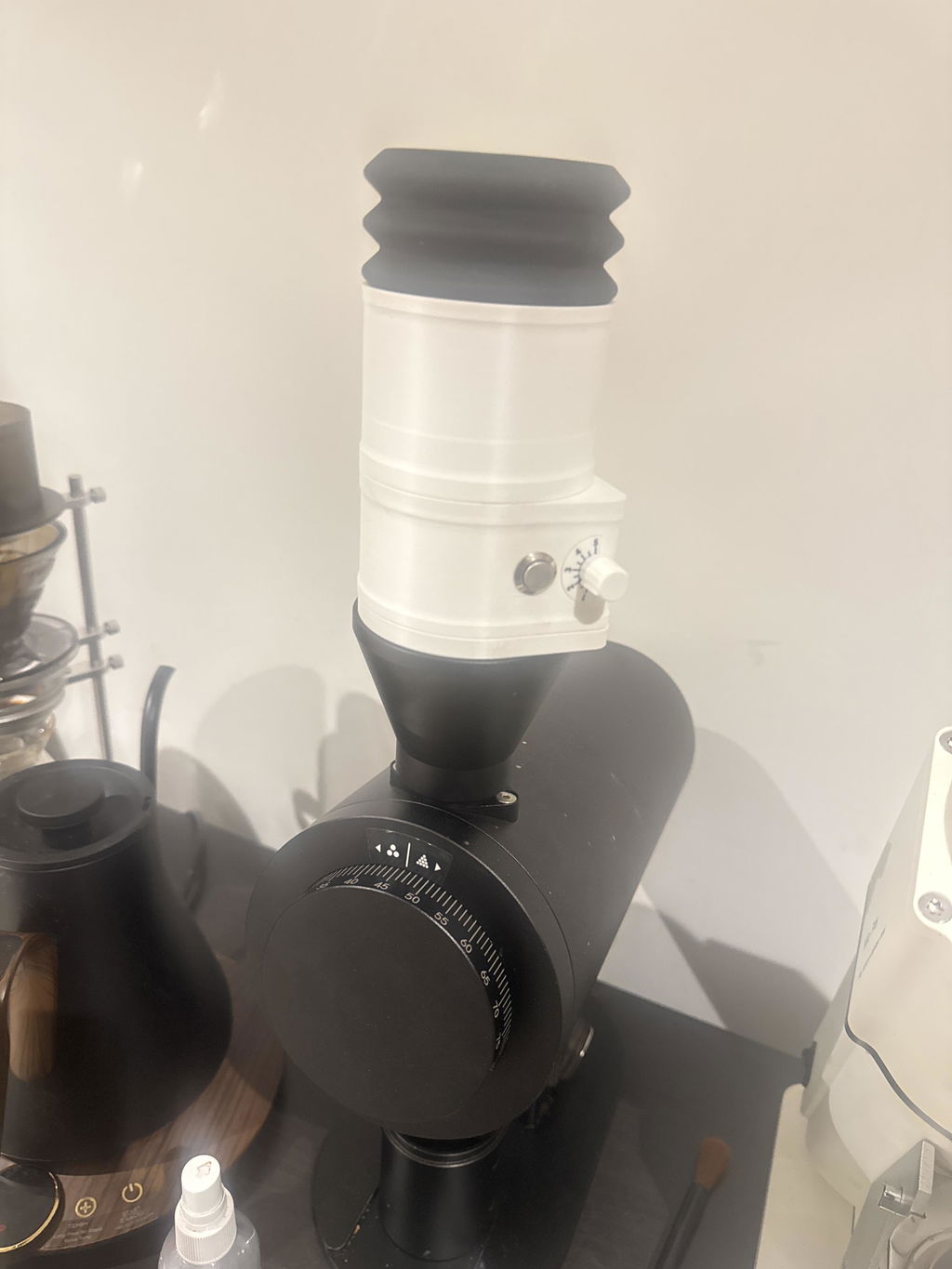
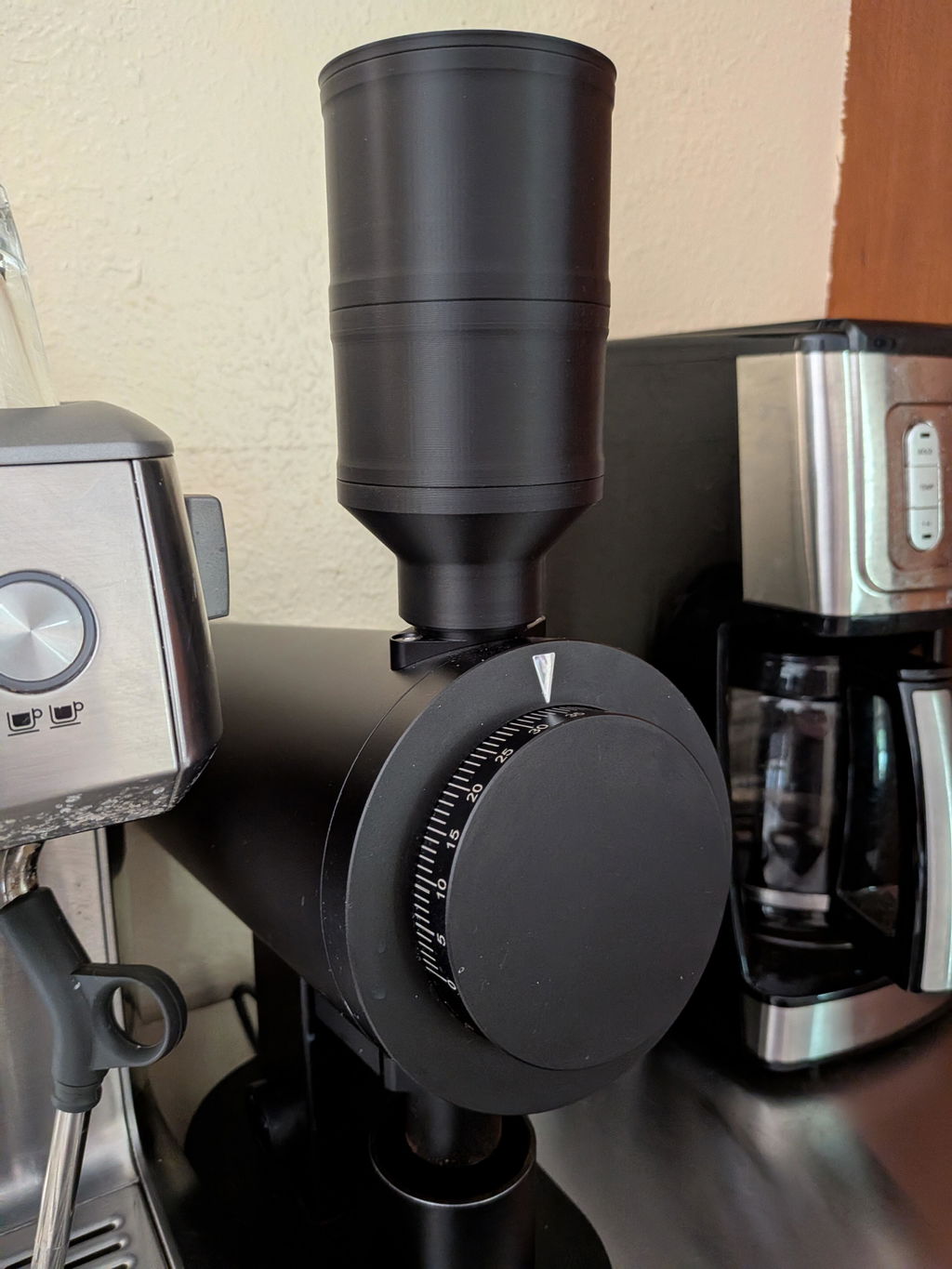
Where to start... I didn't realize 3D printing could be this intricate or finely detailed. If a CNC machine and a 3D printer had offspring this would be it! For my first step into automated slow feeding I did not intend to spend what would purchase a decent grinder. This looked promising. Was curious about the possibilities of acquiring one for my Olympia Express Moca SD. Took some accurate micrometer measurements with photos and emailed them to Nate on a Tuesday afternoon. Response within a couple of hours. Said he would make 3 prototype adapters of slightly different diameter to determine what would be a good fit. Told me he should have them created and ready to ship by the end of the week. He actually dropped them off to be shipped the next day, had them 3 days later! The first adapter I tried fit like a glove. It thunked firmly in place on the hopper. Since the Moca SD hopper has multiple functions for actuating the grinder, replacing the hopper with a slow feeder isn't really feasible, so it goes on top. The Moca SD has a small footprint, but it is kind of tall. Mine is sitting on top of a knockbox drawer, so even taller. I leave the adapter on the grinder, the slow feeder sitting next to it. I use the slow feeder as a dosing cup on my scale, then click it in place on the hopper and grind away. I've always been reluctant to use RDT unless it's really necessary. With this setup I'm not, and experiencing either no retention or occasionally 0.1g (I think all grinders have some retention, but I think an exchange is happening- a very small amount of grinds are expelled when using the bellows). I'm not enamored with the portafilter fork on the Moca SD. I fabricated a small shelf that allows me to rest a bottomless portafilter or a blind shaker on it. With a dosing funnel on the portafilter, the obviously slow feeding allows me to move the portafilter around and evenly (mostly) distribute the coffee in the basket, so the time invested during grinding cuts down in some puck prep later. After the dose is in the basket I remove the slow feeder from the adapter and place it where it will sit until the next use, at the same time verifying that I turned off the slow feeder. I'm now dialing in settings, speeds and times with different coffees and baskets. Some gadgets and techniques added to your workflow end up having questionable or no positive benefit. The first shot I pulled was clearly different than without, with the shot revealing some new flavors and characteristics (good ones in my opinion!). I don't have a sophisticated palate, I just know what I like. I would like to improve that, but I'm the only one that has to be pleased with my results. I'm 72 and not really interested in becoming an "influencer". However, when someone provides exceptional service and what I consider to be a good product with value that is beneficial to me, I think they deserve credit for it. Everyone has their own opinions regarding coffee and coffee equipment. This is one of mine :-).
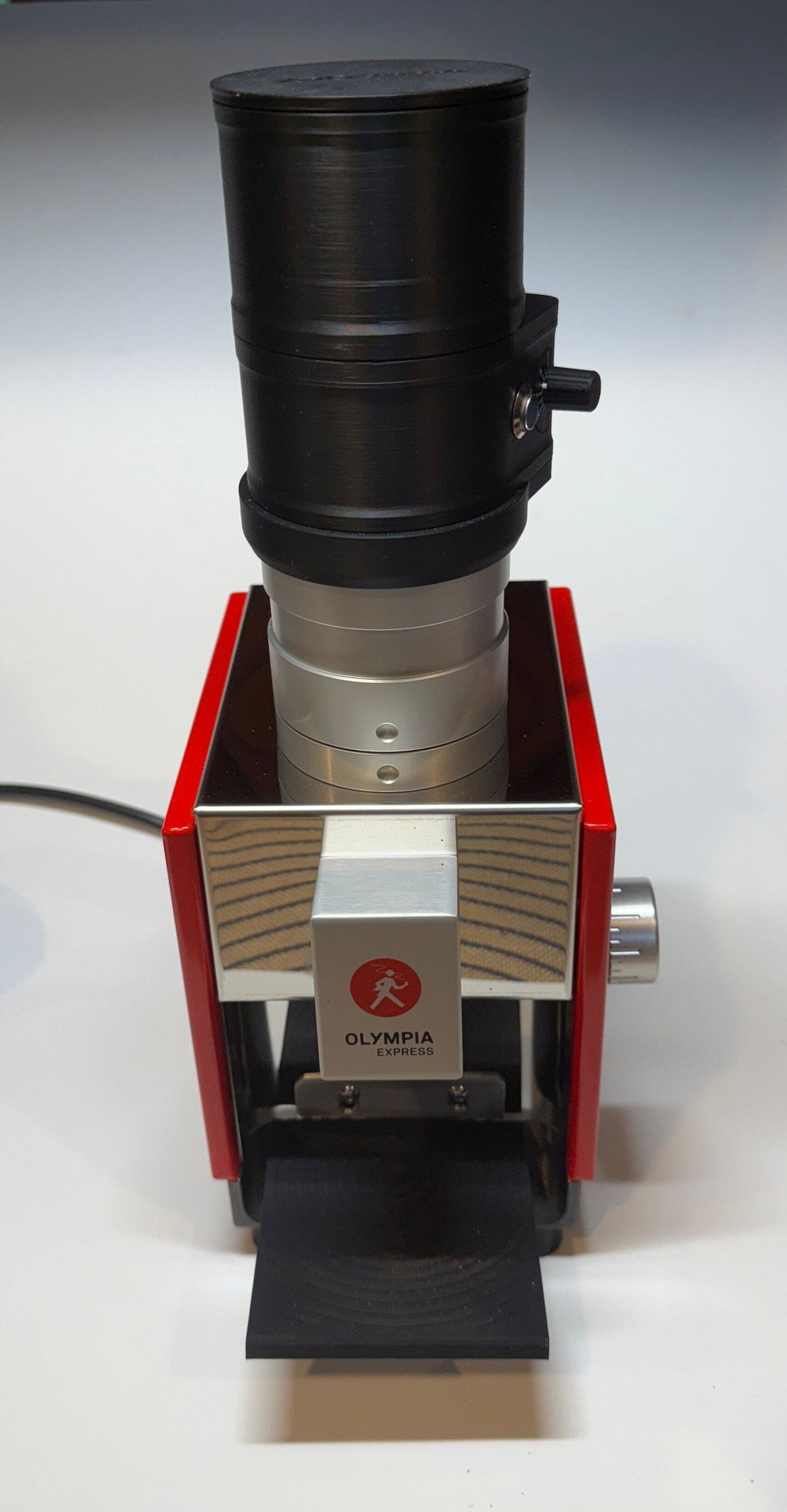
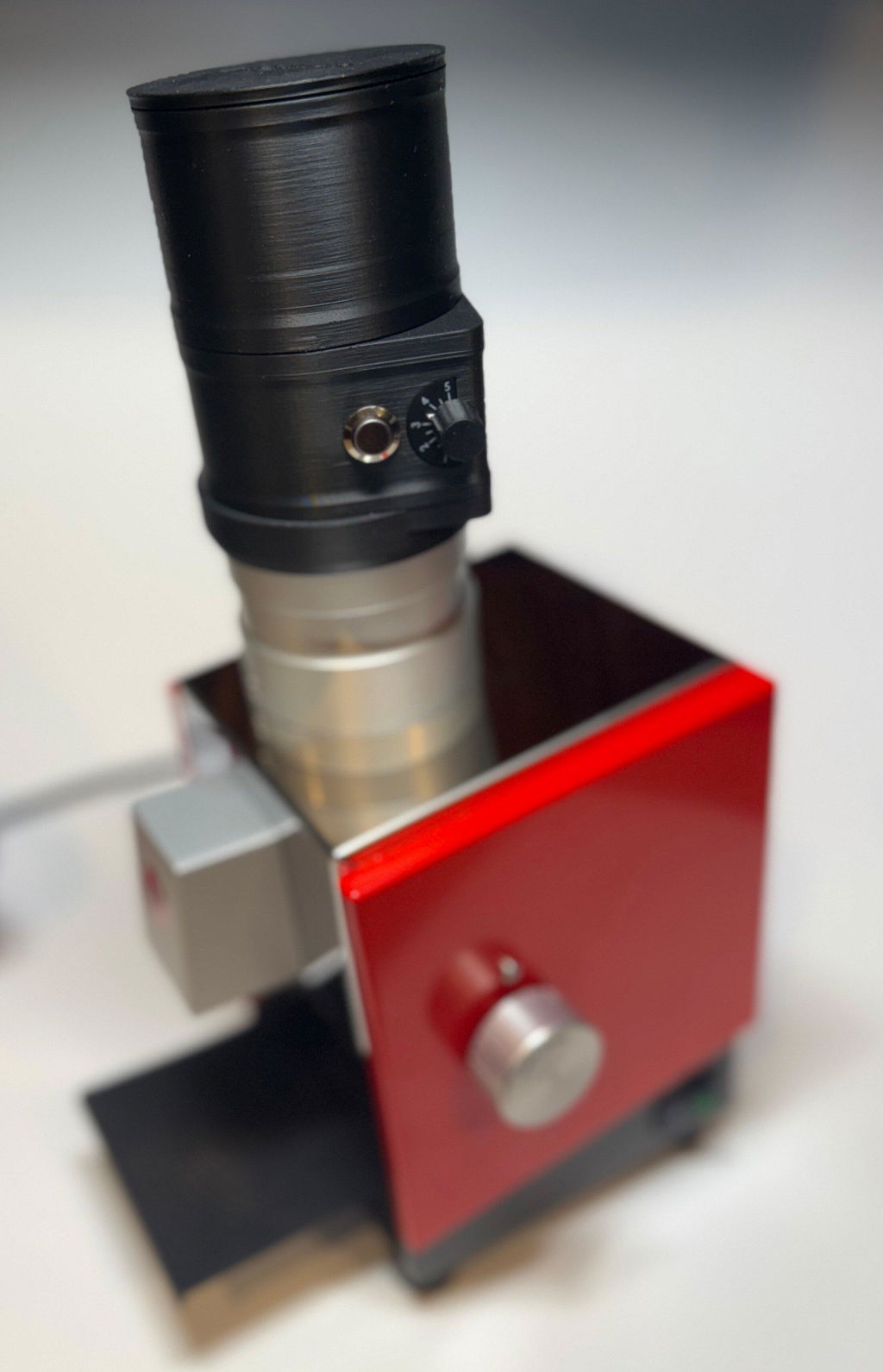
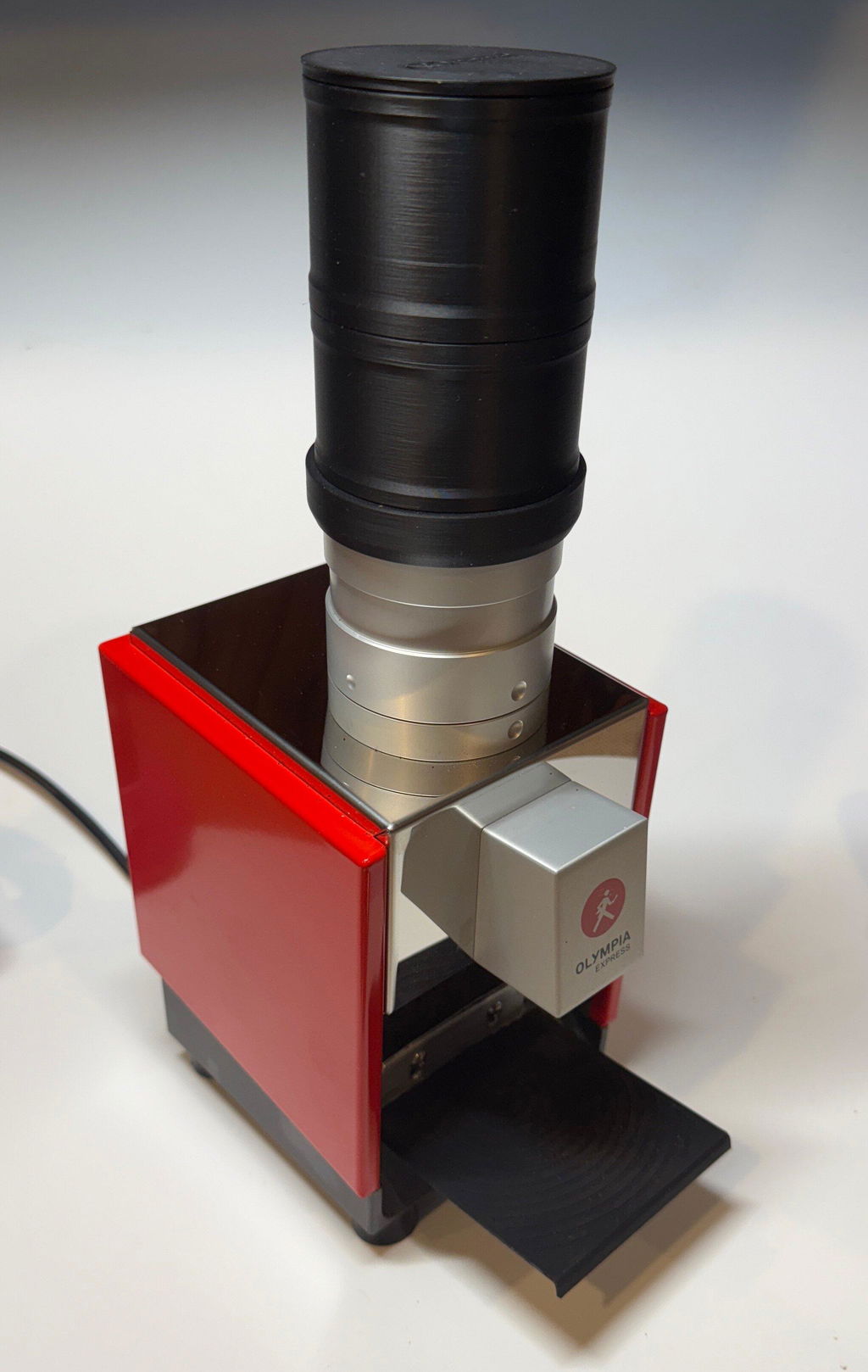
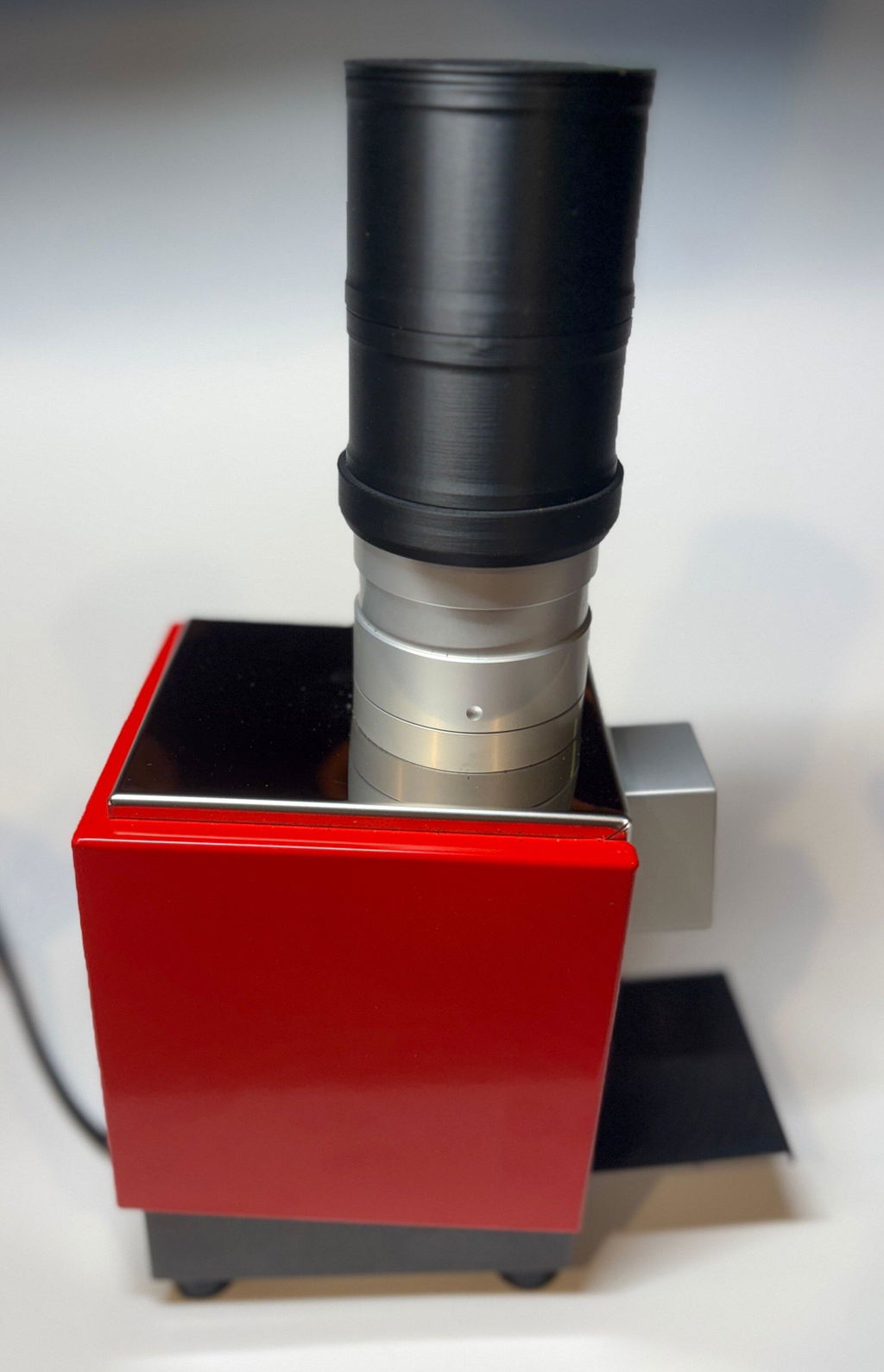
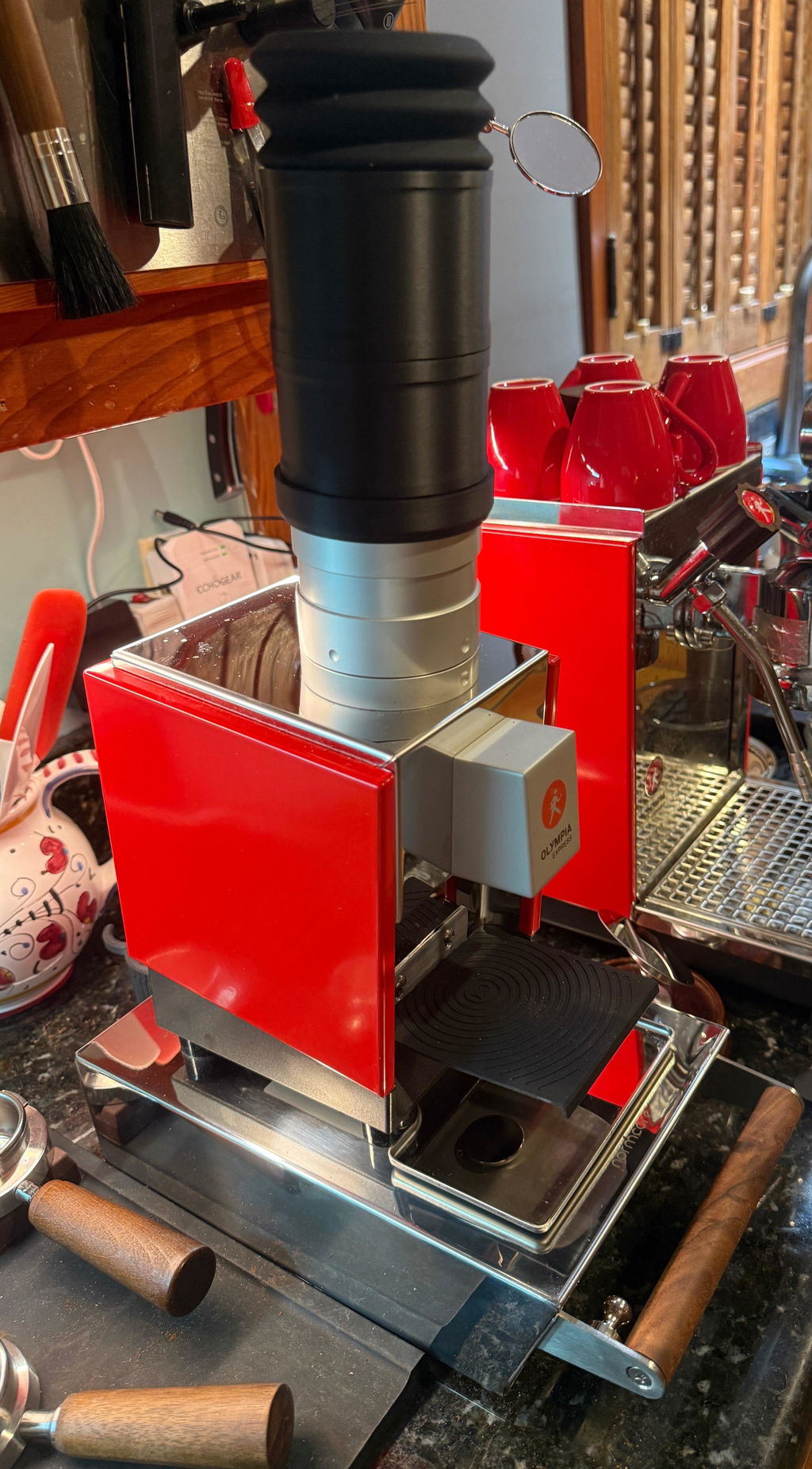
I am very happy with the device. Even though it is 3D printed, it is well made. The most important thing is the result in the cup, and it is excellent. The best coffee I have ever had.
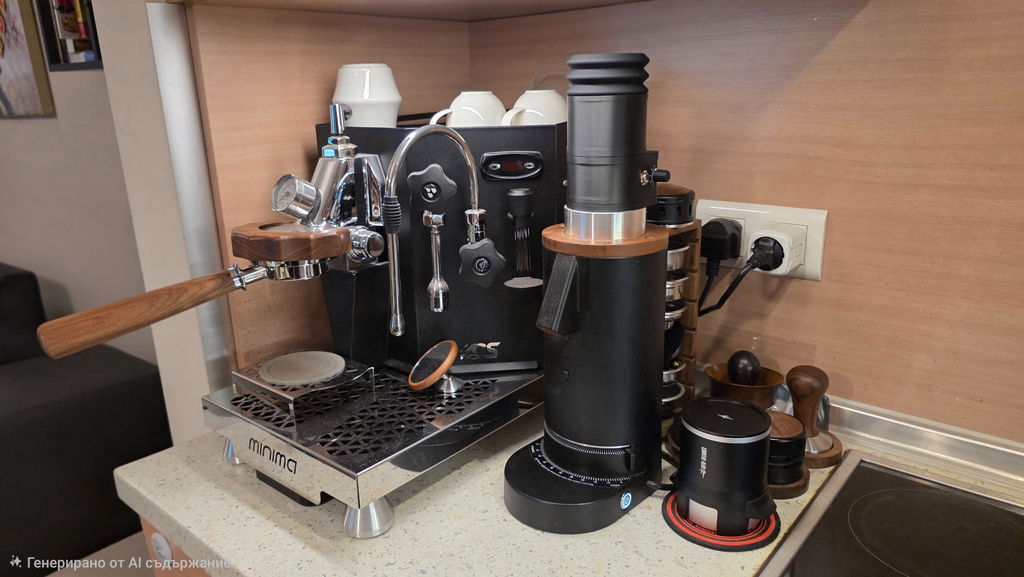
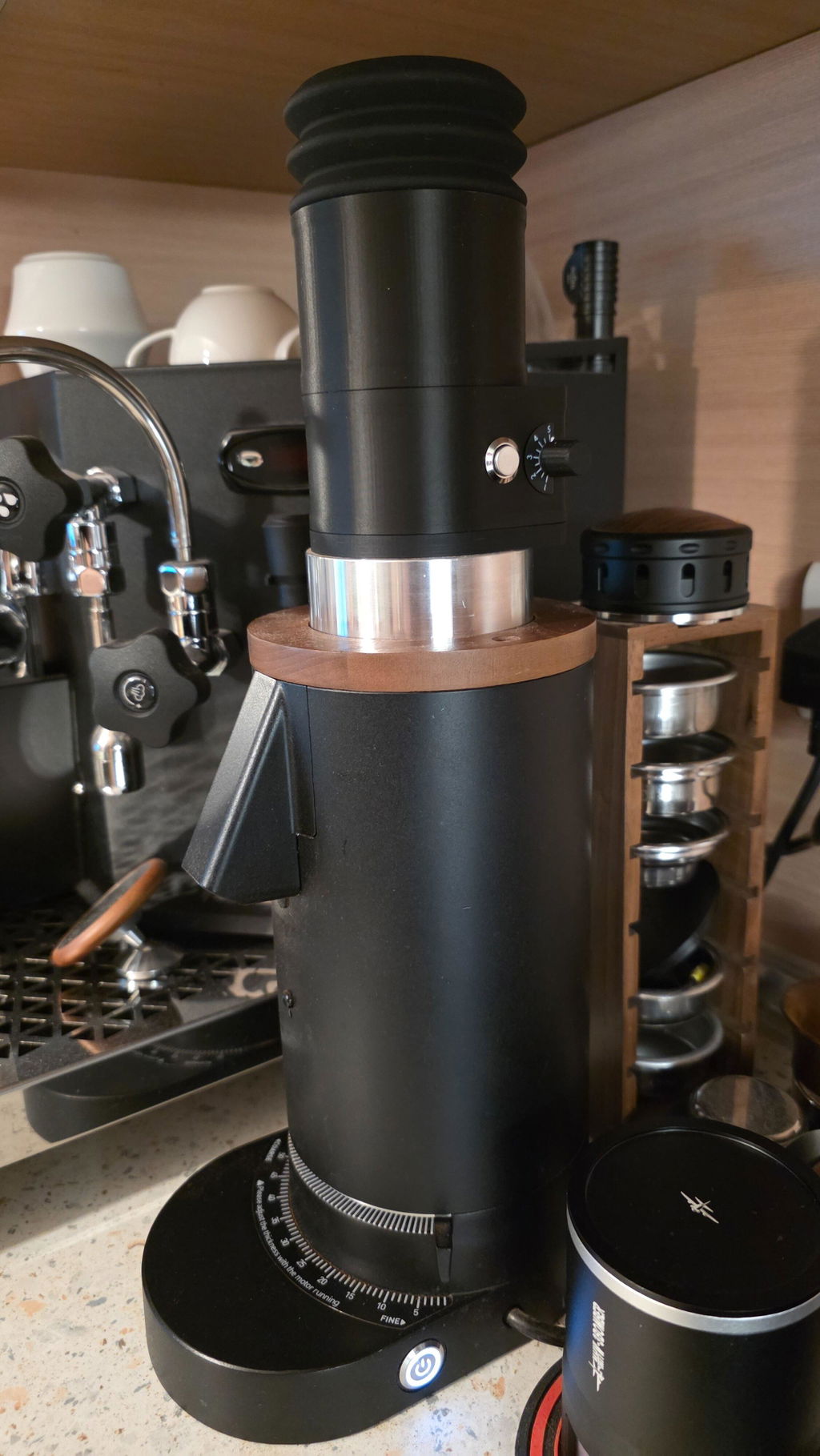
I’ve been looking at a lot of reviews on the capability of a slow feeder and what it does to improve your grind size consistency, and I’m pretty convinced this is a major improvement to my workflow, it takes a little extra time to get your grinds through it at a slower pace, however, the consistency and fluffiness of the grinds are incredible. I don’t have much channeling due to this and puck prep.
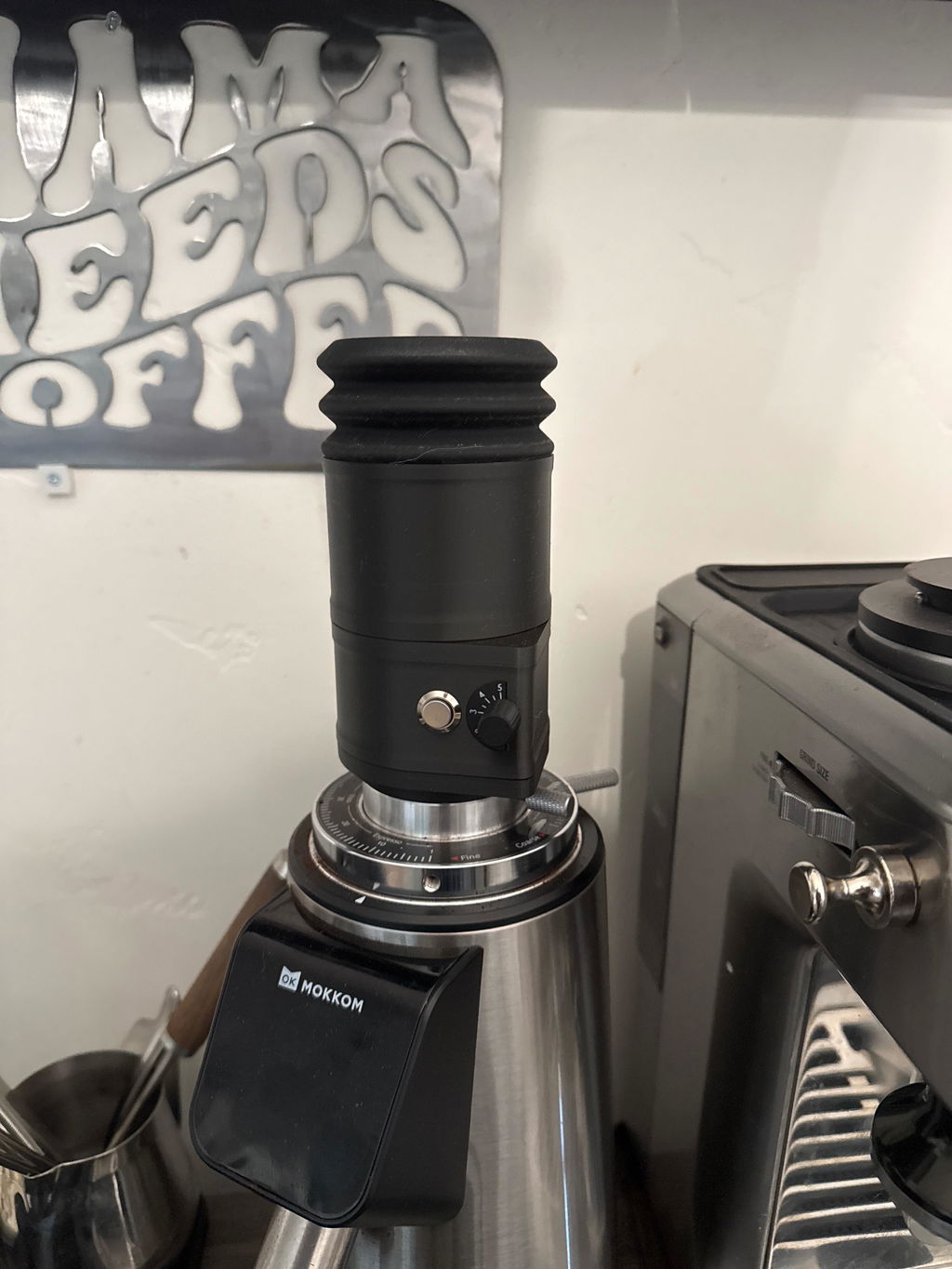
The ARO Espresso Slow Feeder is a mandatory upgrade and a total game changer. It completely eliminates the "popcorn effect" that leads to muddy-tasting shots, resulting in a much cleaner and more consistent espresso every time.
I used to manual-feed beans to get this result, but this unit automates the process perfectly. I’m getting 10x better flavor with zero hassle. Excellent build quality and the customer support is top-tier (they handled an adapter issue for me immediately). Don't overthink it—this is the best move for your espresso setup. This unit can make even a modest grinder deliver maximum flavor without breaking the bank.
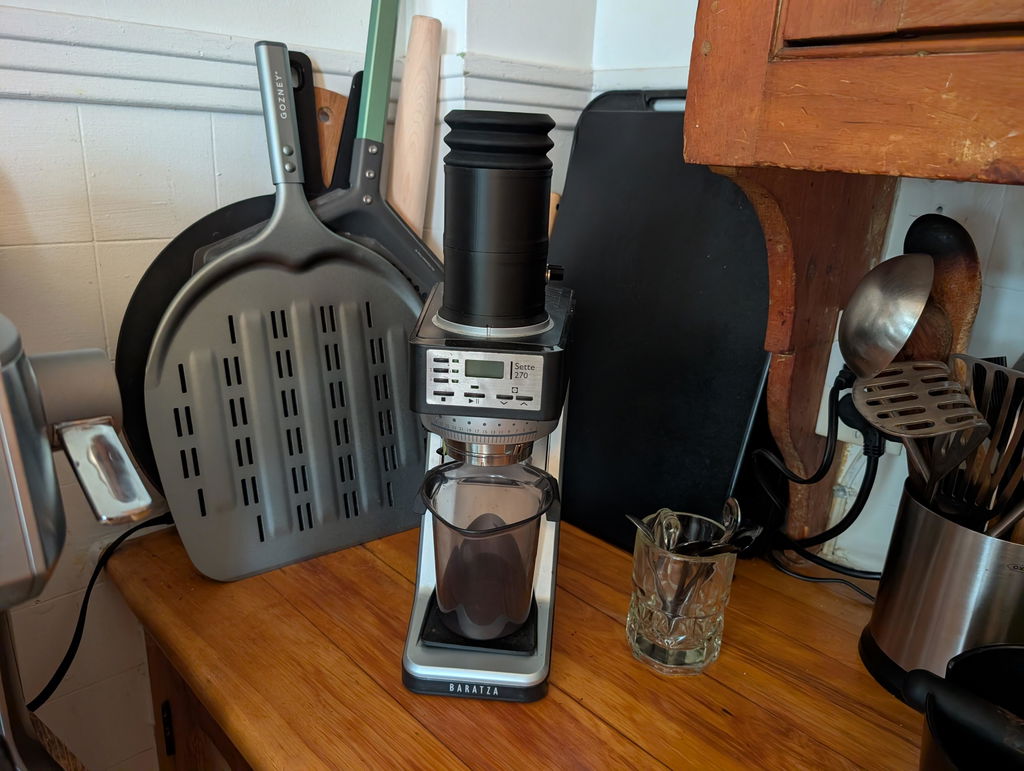
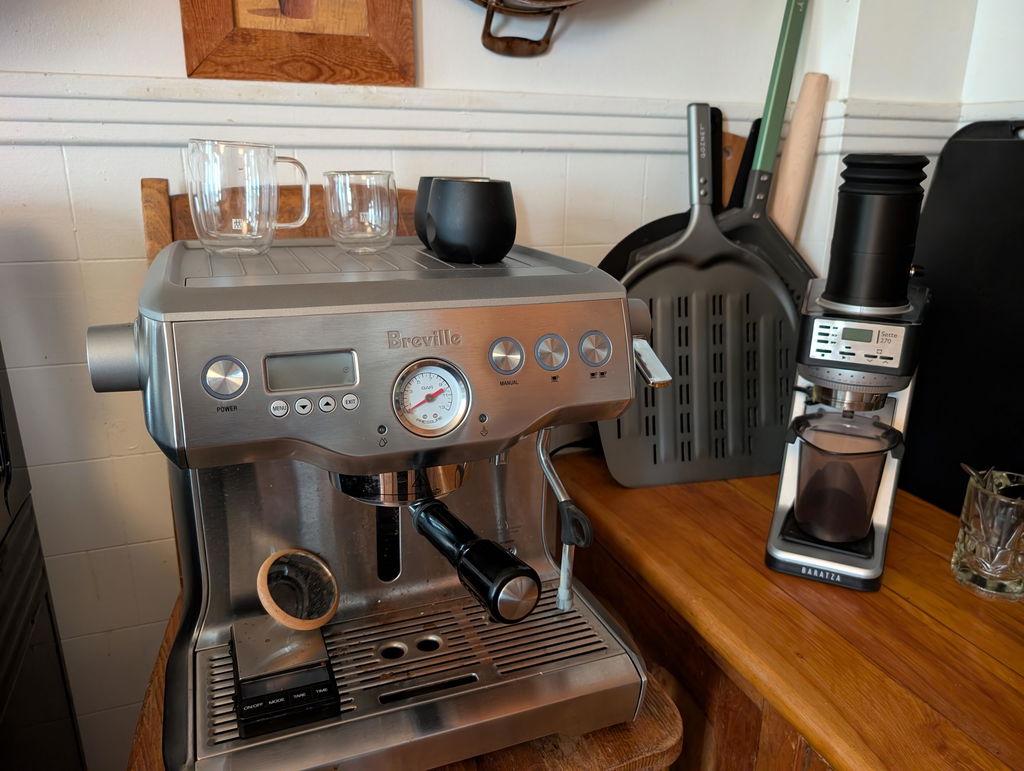
Works great, sleek design.
I use a Weber EG-1 and as much as I hate swapping out the funnel of the original with something else, the slow feeder was a game changer.
The EG-1 is already amazing, but even so, the slow feeder makes a difference. The ARO slow feeder has a sleek design and the color fits the EG-1 perfectly.
A few mild cons which would never stop me from buying ofc.
1. Some times there are a few stragglers, 1 or 2 beans that won't go down without a small push, I feel this happens because of RDT and the materials used. This means I just have to make sure to remove the bellow to check for any and put it back on.
It seems the adapter that does perfectly fit the Weber EG-1. I will attach an image but it doesn't fully convey the feeling in real life. The product works well, but it doesn't seem to sit flush.
Bottom line, I highly recommend this product. I previously had the single dose hopper for my Eureka Specialita and it felt and looked amazing. Most likely all products by this company are good.
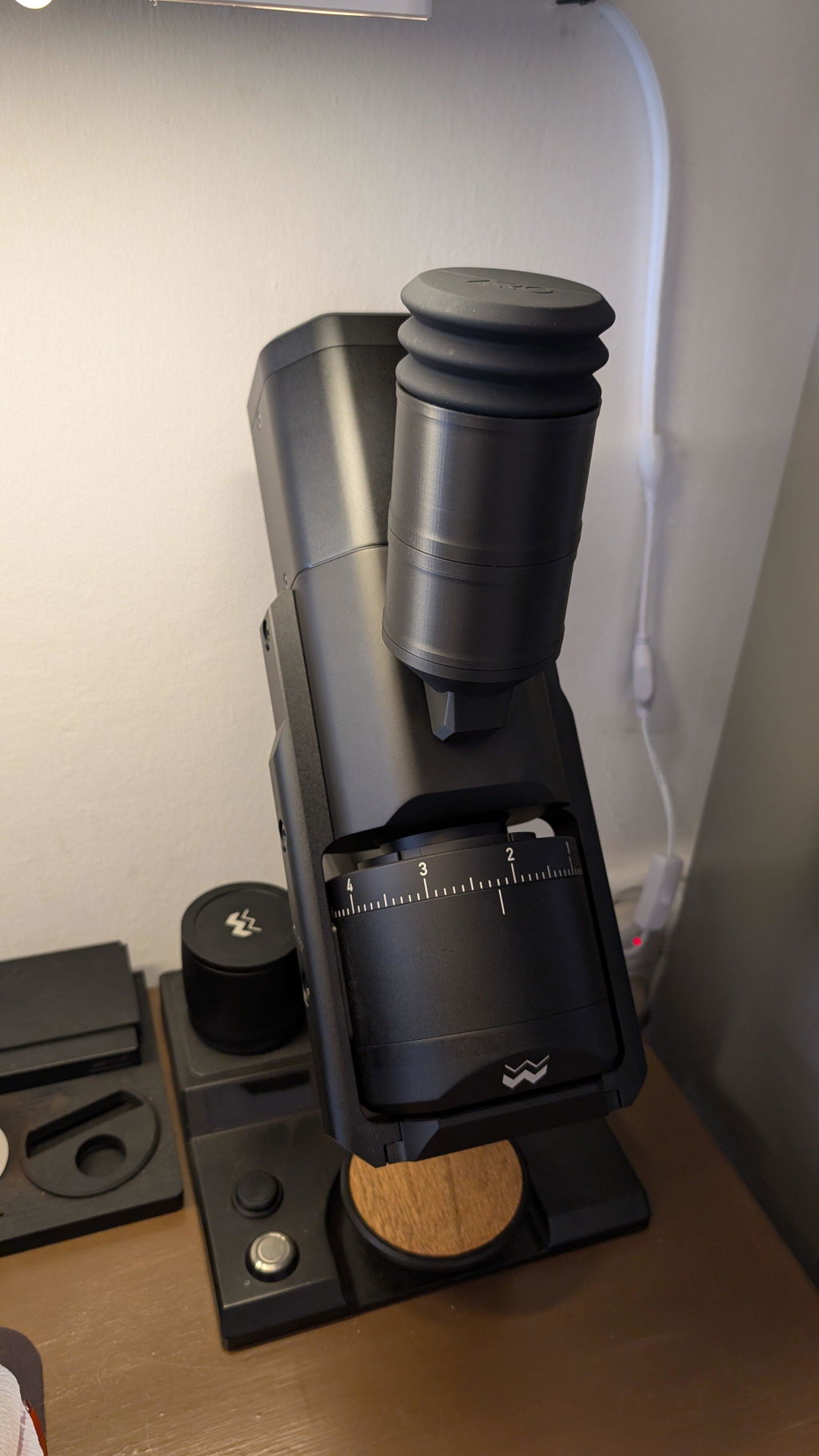
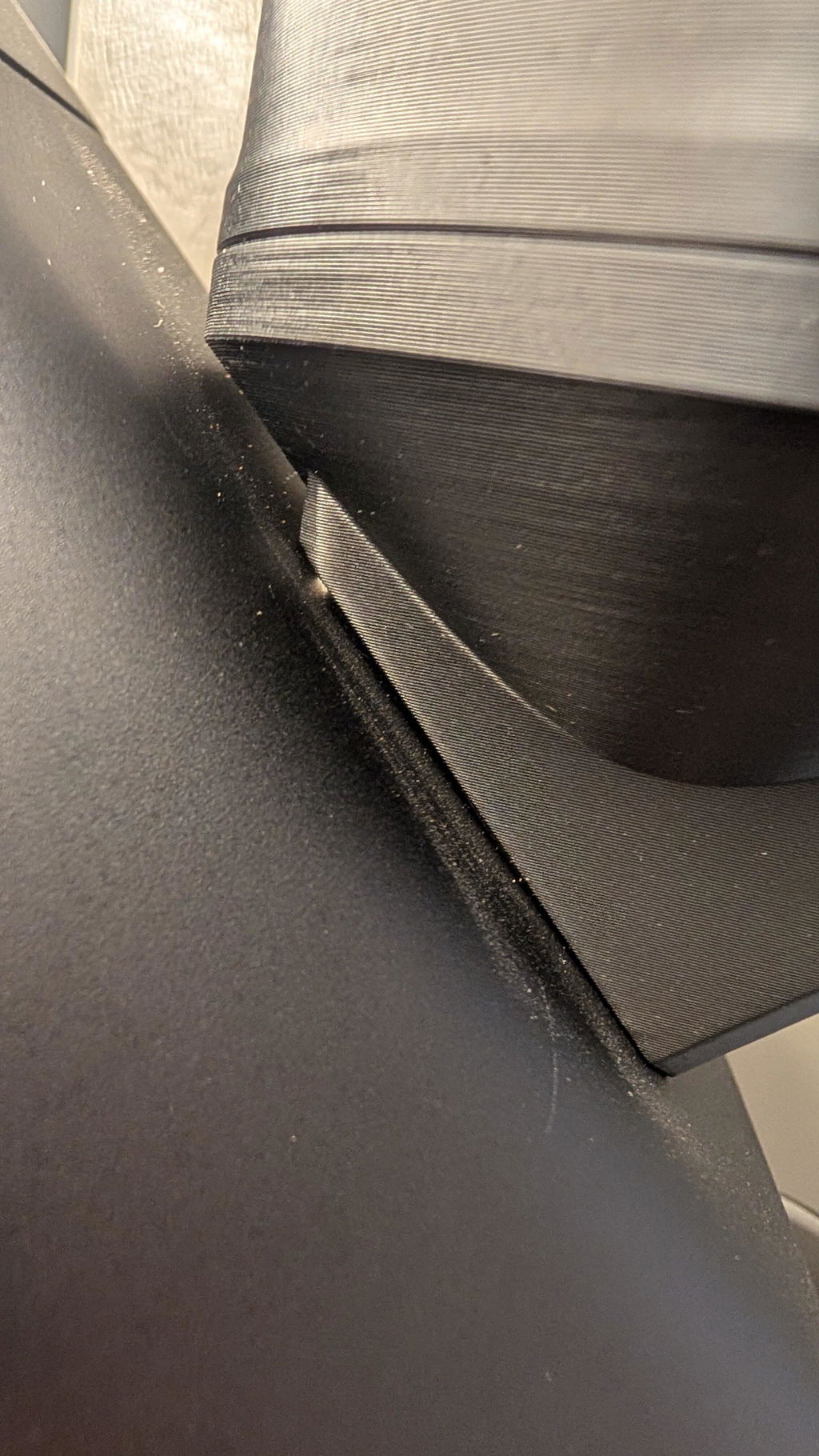
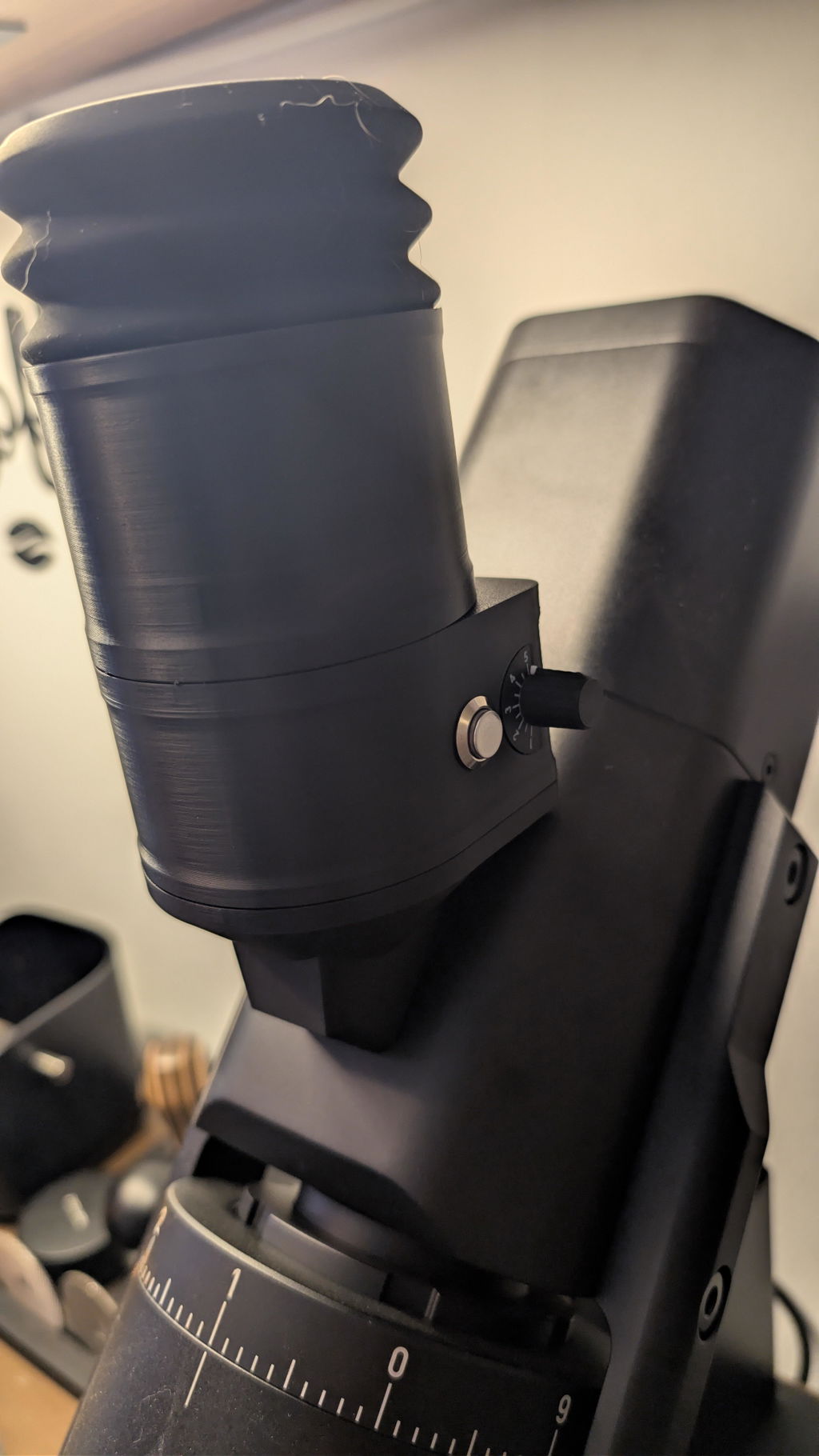
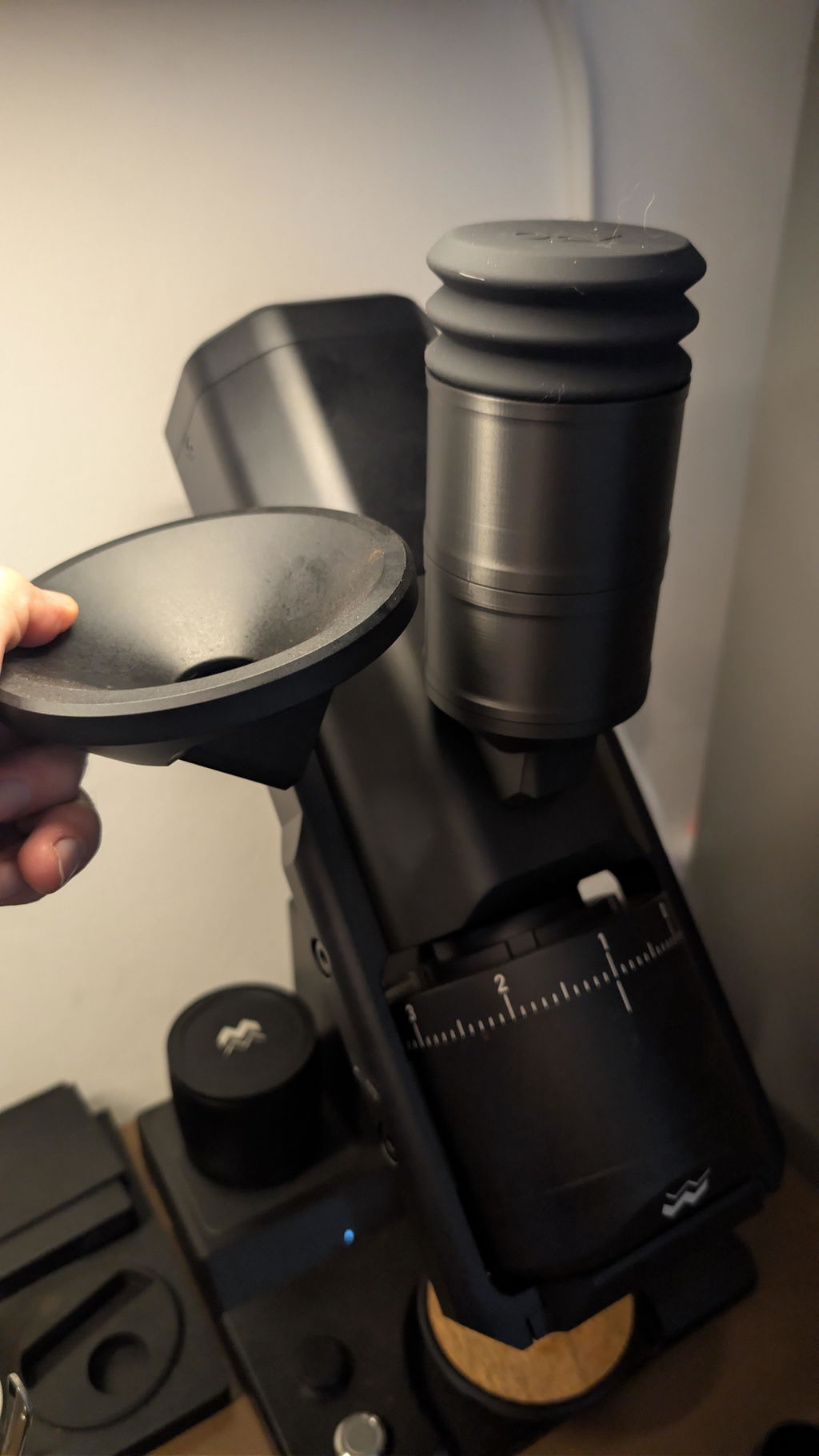
After reading about all the different slow feeders on the market, I decided to go with ARO, and I'm so glad I did. I reached out to see if they could make an adapter for the Lagom P100 (not one of the options at that time), and Nate reached out the next day to ask for the needed measurements. He then sent three adapters of different sizes to see which fit best. It's hard to imagine another company could provide better support. The slow feeder has worked exactly as expected, and unlike some 3D printed products I’ve ordered in the past from other companies, this one feels very sturdy and has an excellent surface finish. Soon after ordering, I saw that another company was planning to release a feeder made of metal and glass (for 3x the price of the ARO), but after using the ARO for a month, I definitely made the right choice—the quality is exceptional!
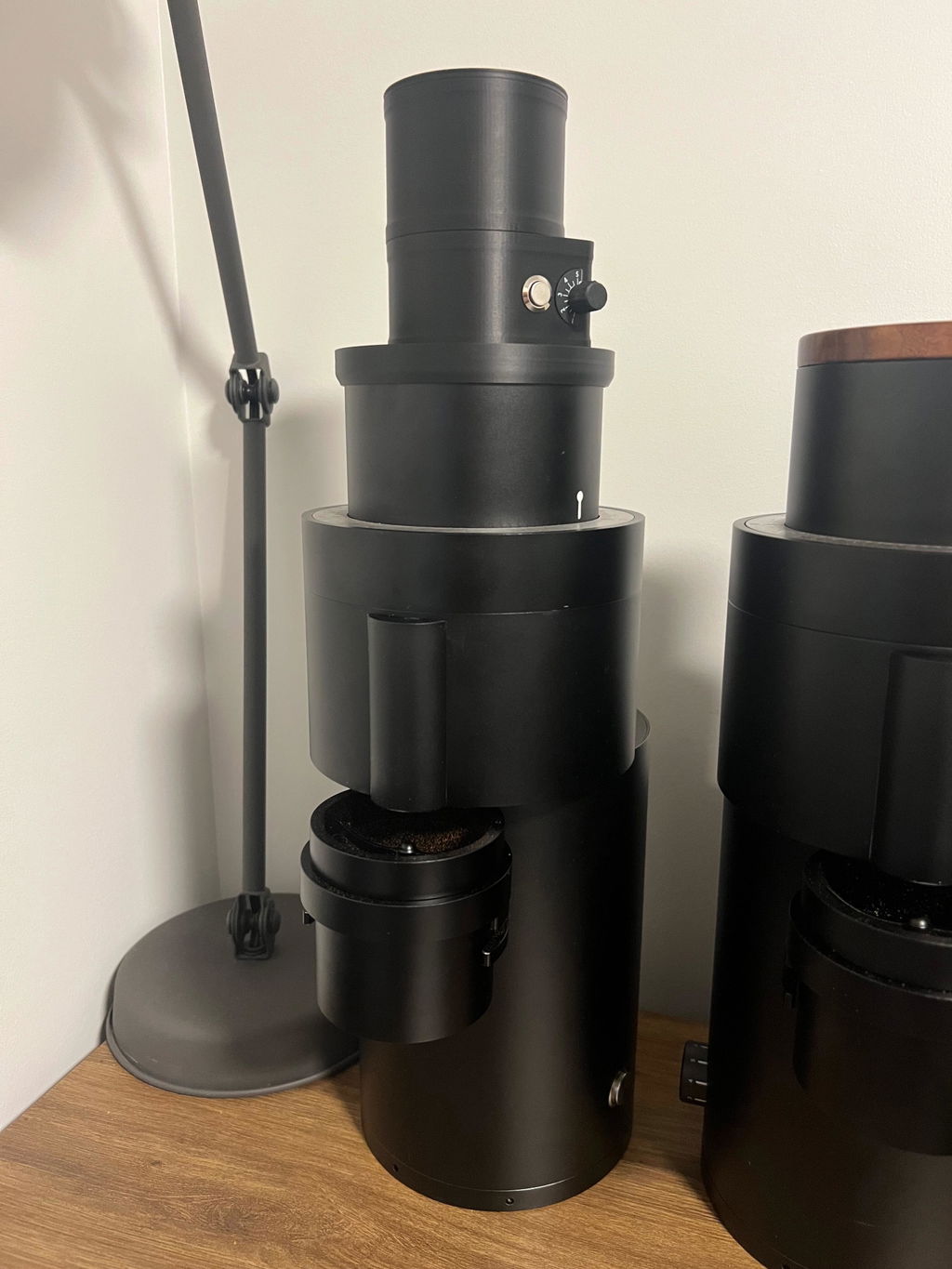
In general I run away form 3D printed stuff, but this product is well made and I stand corrected in my generalization. I love the use of the (powerful) magnets and the separations of the various components.
I use it with a FELLOW OPUS grinder and this slow feeder helps lowering its retention and probably improves the consistency of the grind size. I also use it for my filter coffee which is a bit time consuming for every day use :-) However, I do use the slow feeder adapter lid and the bellow, which I think is more discreet and efficient than the big bellow I was using prior.
I also like the idea that when I upgrade to a more expensive espresso grinder I will be able to contact the ARO team and get a lid for it.
I had contacted the team for an OPUS version which was not on their web selection list. A few days later I had it (coincidence they were getting a grinder to test). Great team support.
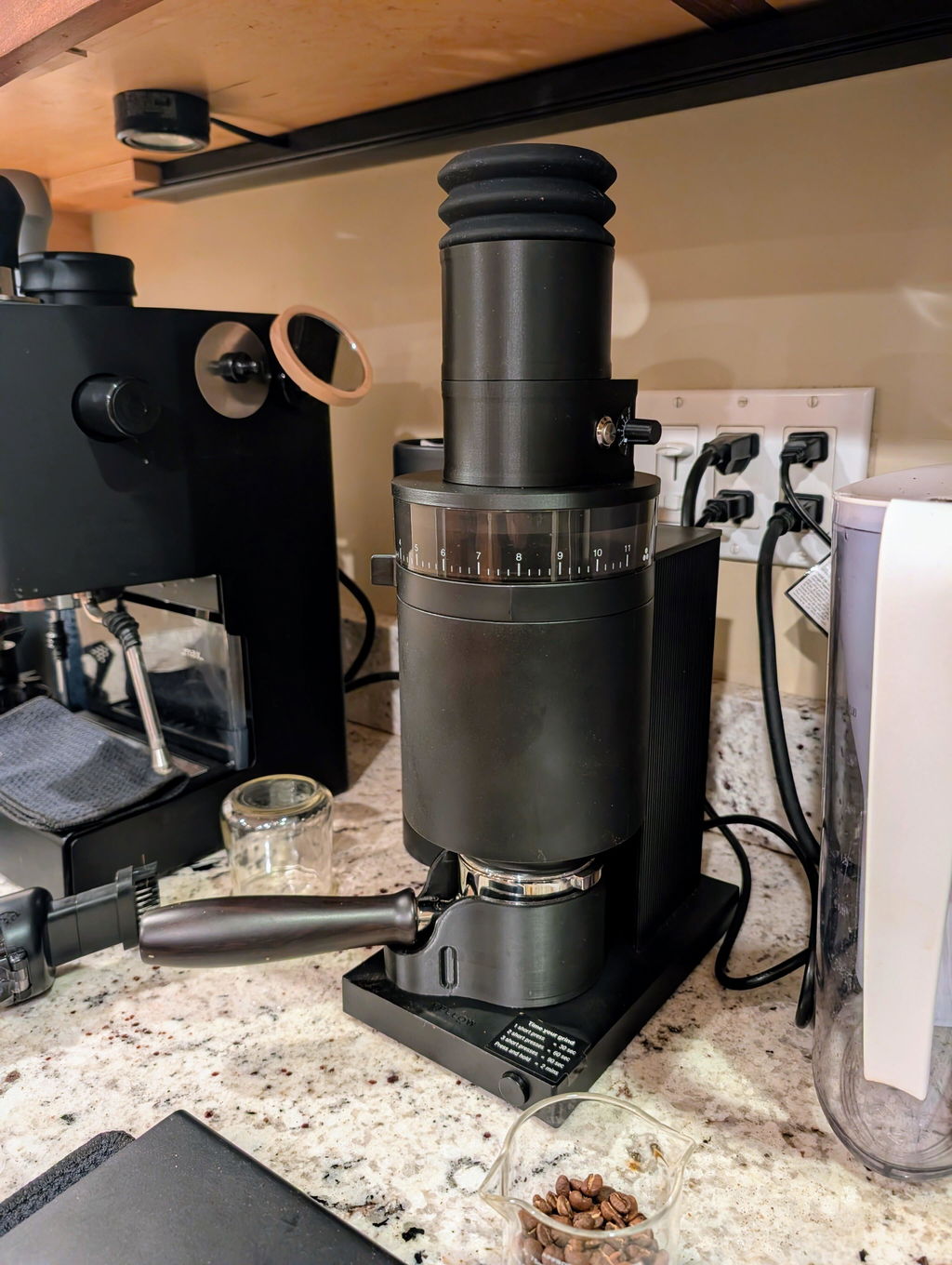
Slow feeding gives a very noticeable improvement in particle size distribution. But who wants to stand over their grinder manually feeding beans one at a time (tried it -- no bueno). Slow feeding immediately shows in the cup with, along with other things, improved clarity. The build quality is surprisingly good. Even the included quick start pamphlet is surprisingly well-written. Nate also provides excellent customer support. My only niggle with the feeder is the fit of the bellows to the hopper is sloppy and could stand improvement.
Beans get stuck & needs batteries. At that price point it should have rechargable usb-c and better build quality. Im sure with more options and competition better brands will come out.
Thanks for the feedback! This review is for the original v1 Slow Feeder, and we’ve addressed these issues with the new v2 version. The v2 now has an internal rechargeable lithium-ion battery with USB-C charging, plus an improved feed mechanism designed to prevent beans from getting stuck and automatically reverse if a jam is detected.
Please reach out to me if you’re interested in upgrading. I’d be happy to provide you with some options.
Updating my previous review to four stars because good customer support!
Works as supposed to and great support from the seller
Must have upgrade for Timemore 064S.
Good material and easy to use. The own problem is the vat for France i must pay 31 euros more....
I bought for my p64. It leaves 5-6 beans in the slow feeder and I have to manually flick them into position every shot. Rather annoying. In fact it bothered me so much i ended up just removing it from my grinder
Thanks for the feedback, Sam! This issue has been fixed in the new v2 Slow Feeder. We increased the feed plate thickness to ensure all beans feed properly, including when installed on angled grinders like the Lagom P64. This review is from the original v1 version, but please reach out to me and I can provide you with options to upgrade to the improved v2 unit.
For myself, my decisive criteria was that it should feed the grains at least as well as I do myself. It succeed into that and better. Yet it could do be greatly enhanced :
- stalling should not exist but it will happen with any beans if the ARO is set near or below "1". It is a known problem, part of your faq. Yet, since part of the advantage of the ARO is facilitating the prep, it should be "set and forget". Which lead to my next point...
- the lowest, non-staling setting, slightly above 1, is still too fast for my taste. It delivers 18 into less than a minute. I'd like slower speed, for Turkish coffee or even the finest espresso. I use a filter at the bottom of the basket, which accelerates the extraction quite a bit, and I use a blind shaker which accelerates it further as does slow feeding. In the end, I must grind quite fine if I hope that the puck will offer the needed resistance.
- I got the DF54/DF64 adaptor. On one hand, it necessitates that I remove the anti popcorning insert, with for consequence that it renders the cone shaped inlet of my grinder extremely dirty, instantly, rendering a perfectly low retention grinder not so much it. Your otherwise neat contraption becomes quite counter productive.
On the other hand , the adaptor has barely anything to cling onto, about 2 mm, maybe 2.5. That causes instability, which can only get worse with time. A simple solution would be to fit the adaptor around the inlet ; as such it could reach further, ensuring stability and restoring the popcorning protection. With the later in place, chances are also that the beans will be ground in a more controlled fashion.
I will not activate my satisfaction warranty. I hope that you'll repay my time with a better product some day.
Regards to all,
Jean Montambeault
Thanks for the detailed feedback! This review is for the original v1 Slow Feeder, and several of the points you raised have been addressed with the new v2 version.
The v2 now has an anti-stall system, so it will no longer stall when running at the lowest feed speeds. We also completely redesigned the DF54/DF64 adapter. It is much more secure and stable, and you no longer need to remove the grinder’s anti-popcorn insert.
I really appreciate you taking the time to share such detailed feedback. It directly helps us improve the product.
I wanted to find a better method in feeding coffee beans into my Timemore Sculptor 064S. And the ARO slow feeder seemed like a great option. While I do love the results, there are just a little nitpicks that I have against it.
1. I wish there was an auto-off feature. The Timemore grinder automatically turns off after 60 seconds. And maybe I'm just use to the grinder shutting itself off, I assume that the slow-feeder will as well. Well ... it doesn't shut itself off. And I've already burned through 6 sets of AAA batteries within 2 weeks. So I would advise that if they ever update the product, include the auto-off feature.
2. Include instructions. Maybe it's easy for the maker of this product to know how to install it. And if a person is paying over $100+ for something, have some kind of instructions or manual. But I had to guess my way through the installation process.
Other than that, it does work exactly as expected. I enjoy using it. But as I said, I'm wondering if I need to go buy more AAA batteries.
Thanks for the feedback! This review is from the original v1 Slow Feeder. The new v2 has a built-in rechargeable battery with USB-C charging, so no more AAA batteries. All Slow Feeders also now include a printed quick-start guide with a QR-code link to the full product manual and installation instructions.
It’s suppose to do what’s its design for.
Cons for me.
Design wise could have been better instead of having to unscrew a part of my grinder.
3D print design needs work for aesthetic looks but if you don’t look close you don’t notice
The battery attachment looks so tacky. Be careful when you add an remove battery. Hence the 3 stars.
Thanks for the feedback! This review is for the original v1 Slow Feeder, and we’ve made some major improvements since then. The new v2 replaces the external battery setup with an internal rechargeable lithium-ion battery and USB-C charging, along with a number of other design and performance improvements.
We also now offer the Slow Feeder PRO for those looking for a more premium build. The PRO is not 3D printed and features precision-machined aluminum components with a machined, polished acrylic hopper for a much more refined look and feel.
Please reach out if you’re interested in upgrading and I’d be happy to provide some options.